Seed numbers are generated randomly for each image but can be specified with the --seed parameter. If you use the same seed number and prompt, you will get similar final images.
--seed accepts whole numbers 0–4294967295.
--seed values only influence the initial image grid.
Identical --seed values using Model Versions 1, 2, 3, test, and testp will produce images with similar composition, color, and details.
Identical --seed values using Model Versions 4, 5, and niji will produce nearly identical images.
Seed numbers are not static and should not be relied upon between sessions.
If no Seed is specified, Midjourney will use a randomly generated seed number, producing a wide variety of options each time a prompt is used.
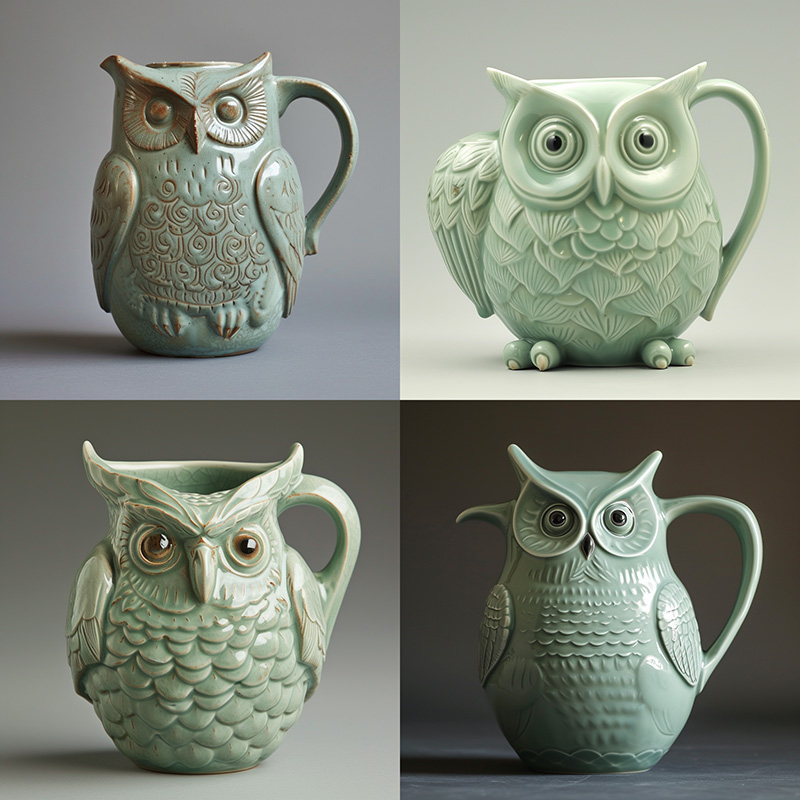
An example of an image grid made in midjourney V5.1 with a seed of 123
An example of an image grid made in midjourney V5.1 with a seed of 123
How to Find a Job's Seed Number
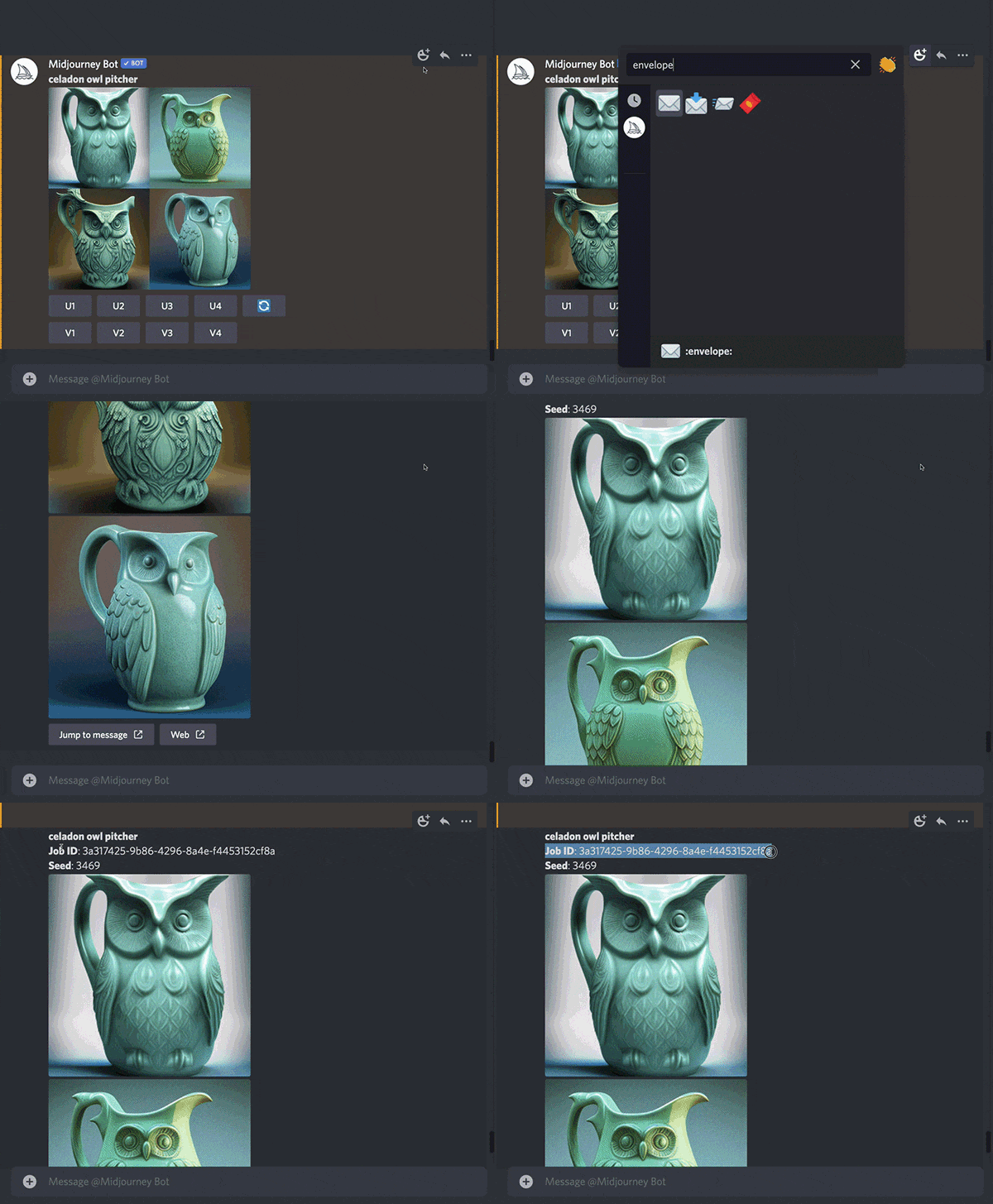
Use a Discord Emoji Reaction
Find the seed number of a Job in discord by reacting with an ✉️ envelope emoji to a Job.
Animated Gif showing how to use the Emoji React with an Envelope in Discord to find a Job's seed number
Use The Show Command to Bring Back Old Jobs
To get the seed number for a past image, copy the job ID and use the /show <Job ID #> command with that ID to revive the Job. You can then react to the newly regenerated Job with an ✉️ envelope emoji.
How To Change Seed Numbers
Use the --seed Parameter
Add --seed <value> to the end of your prompt.
Animated Gif showing how the Midjourney Seed parameter is typed